
FlexBlow Introduces New 40mm UN PET Preform – A True Alternative to HDPE Packaging
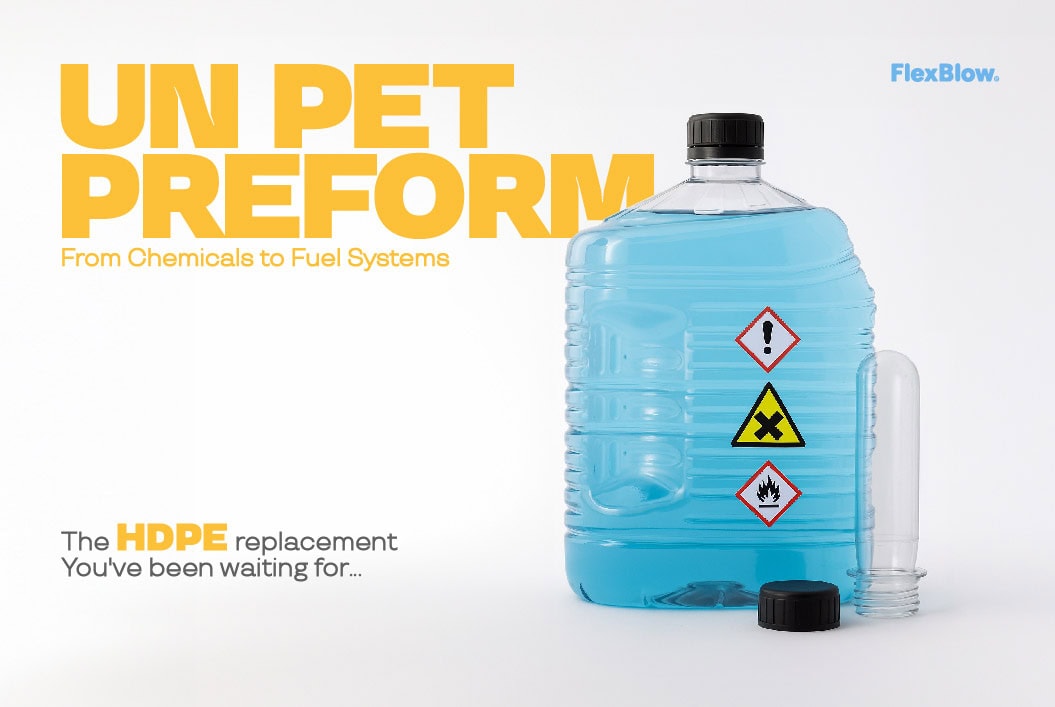
FlexBlow presents a new PET preform 40mm UN designed to be compatible with UN40-type closures. This is the first solution of its kind, allowing PET packaging to be used in sectors traditionally dominated by HDPE—especially when packaging hazardous substances.
This innovation was initiated by FlexBlow and developed in close cooperation with closure manufacturer Emballator, whose technical specifications helped ensure a perfect match between the neck and UN40 closures. As a result, PET packaging is now a viable option in areas where HDPE was previously the only choice.
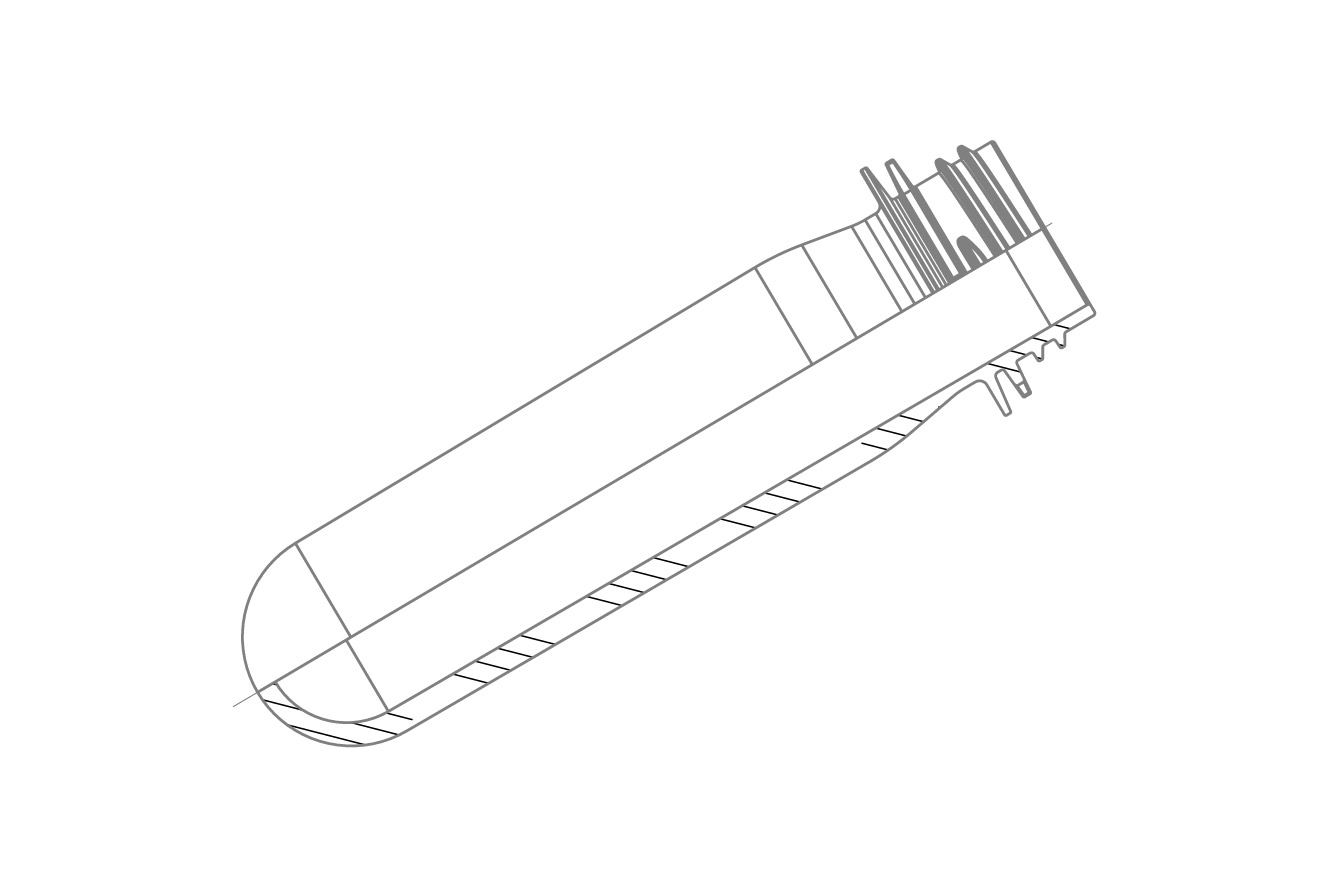
P40 vs. UN40: What Has Changed?
For years, the P40 neck (40 mm) has been the standard for PET bottles used in less demanding chemical applications. However, its thread geometry lacked international UN compatibility, making HDPE bottles with certified closures the default for hazardous goods.
FlexBlow’s engineering team developed a new neck geometry—UN40—that changes the landscape. The 40 mm neck preform now meets UN closure specifications, enabling the use of tamper-evident closures certified for the transport of dangerous goods. It’s the first time a PET preform is fully compatible with the UN40 system, opening the door for PET bottles in sectors that previously required HDPE.
This shift is particularly relevant for manufacturers in the chemical, automotive care, and agrochemical sectors, who can now offer their products in transparent PET bottles.
Developed Together with Emballator – A Synergy of Expertise
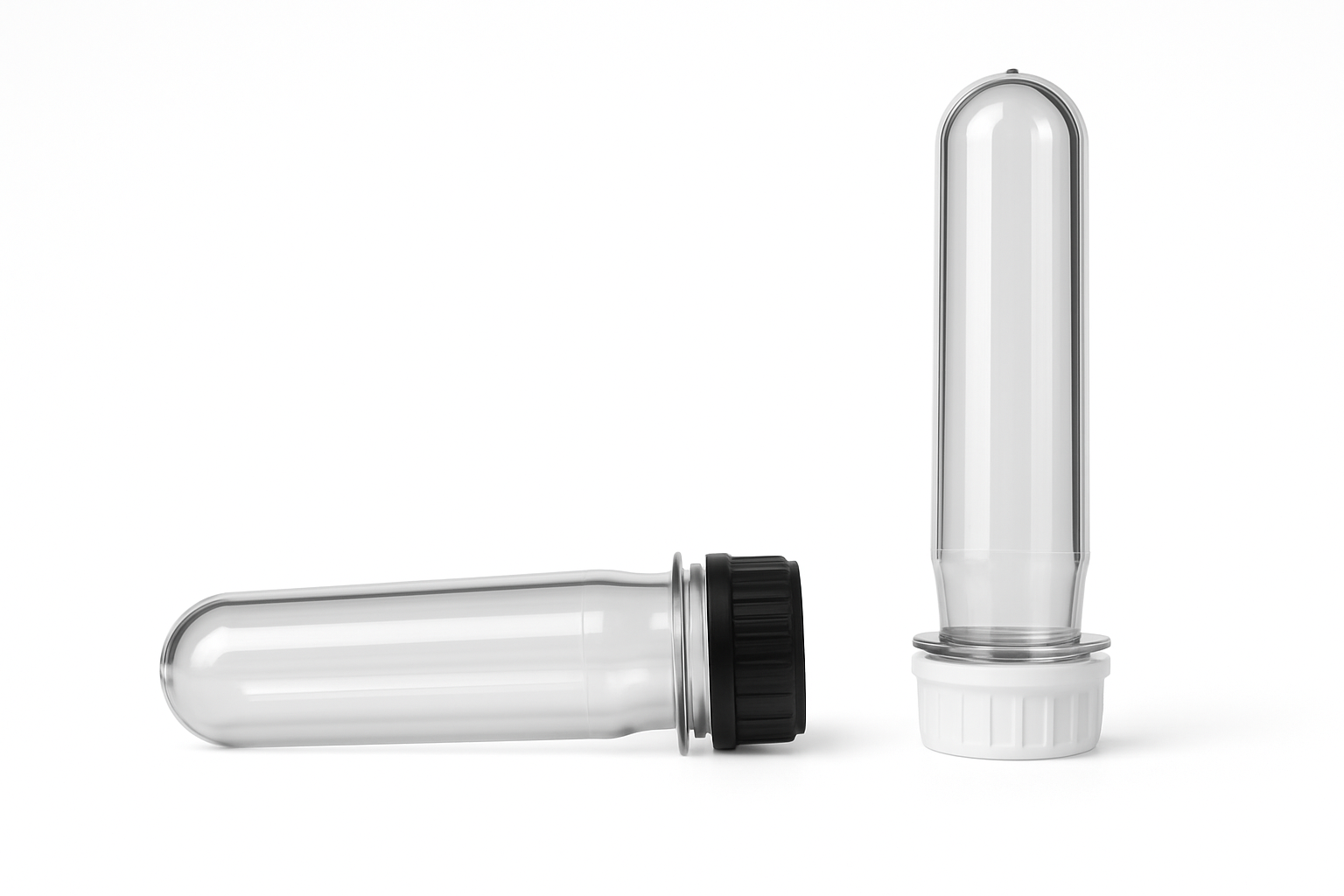
To develop this new preform, FlexBlow chose a collaborative approach. Emballator, a leading Scandinavian closure manufacturer, contributed its technical expertise from the start. They provided detailed drawings, sealing requirements, and material specifications for the 40 mm UN closure.
Based on these inputs, the FlexBlow team optimized the neck design—adjusting thread profile, height, and wall thickness to ensure a perfect seal. This close cooperation helped eliminate compatibility risks. FlexBlow was able to test the closure-preform pairing during the prototype phase, performing sealing and mechanical tests early on.
Emballator’s involvement ensured the final result not only meets FlexBlow’s internal quality standards but aligns with international UN performance expectations. It’s a strong example of how two fields of expertise can accelerate the development of a practical and market-ready innovation.
New PET Opportunities for Hazardous Goods
Traditionally, hazardous chemical products (solvents, fuel additives, pesticides, etc.) have been packaged in thick HDPE bottles or canisters with specialized closures. PET has been reserved mostly for non-UN-certified applications like household chemicals.
Now, that’s changing—FlexBlow’s 40 mm UN PET preform opens up PET as a valid choice for hazardous goods packaging. This means even aggressive or flammable liquids can now be filled into clear, robust PET bottles that, when paired with UN40 closures, can withstand required performance tests (drop, leak, pressure) for certified transport.
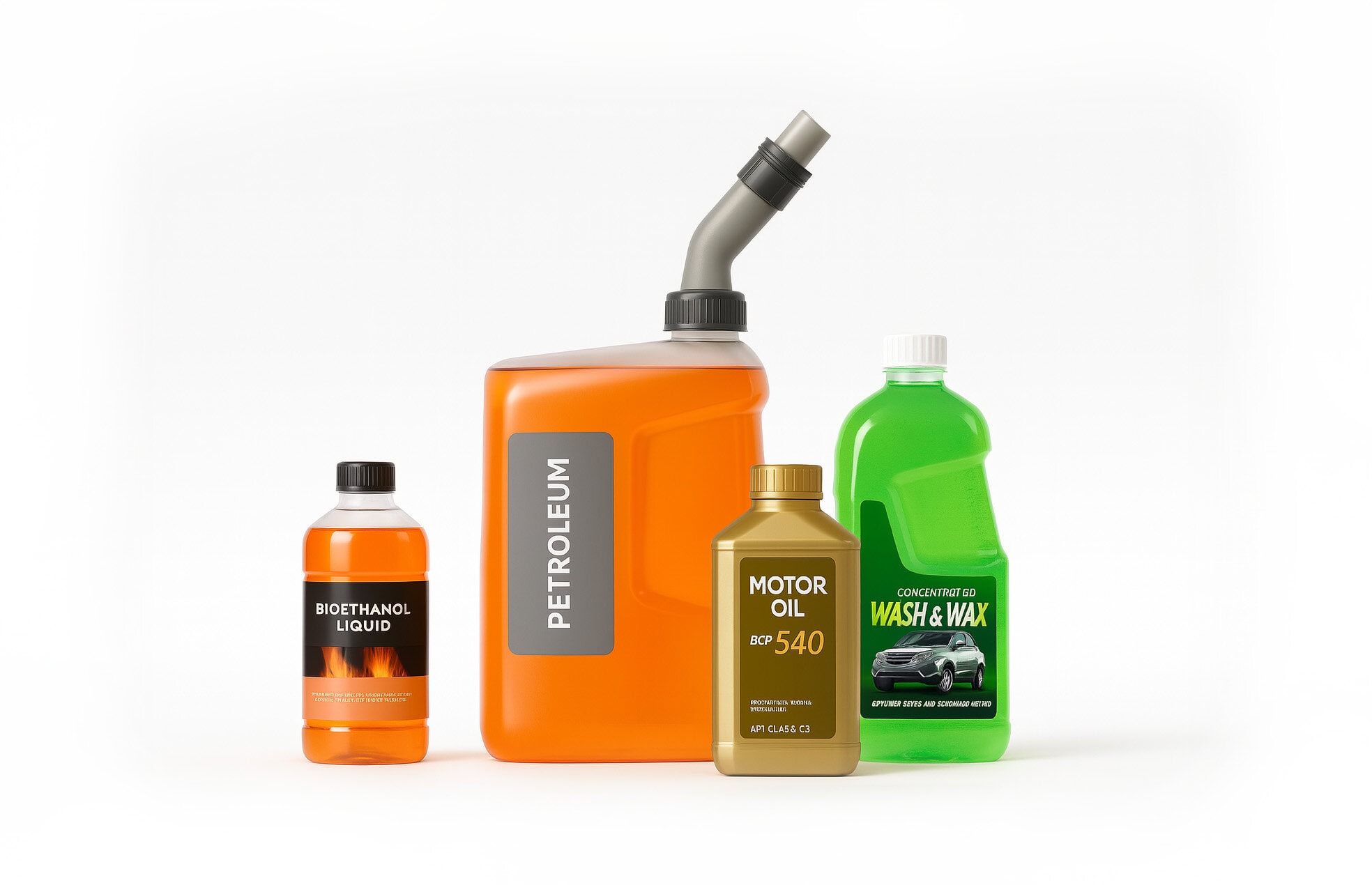
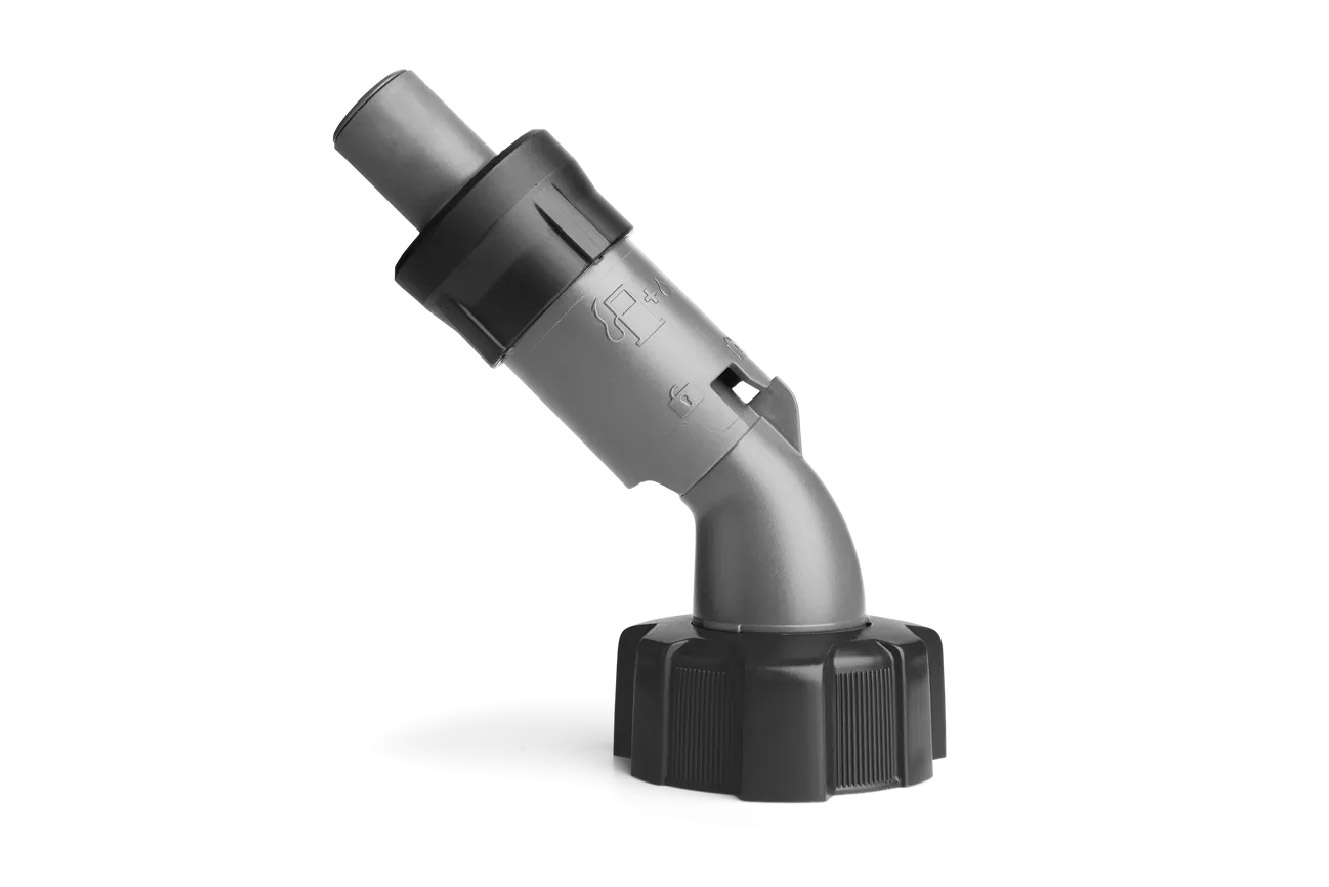
One clear use case is fuel spout packaging. The photo below shows a fuel spout with optimized flow and an automatic shutoff feature—until now, these were typically paired with HDPE containers. Thanks to the new 40 mm UN PET preform, these packages can now be produced in PET without compromising safety or functionality. It also allows producers to offer transparent bottles that clearly display contents, while still complying with all transport safety requirements.
Engineering Precision Meets Market Clarity
FlexBlow’s new 40mm UN PET preform combines technical precision with practical value. From an engineering standpoint, it represents a complex integration of geometry and material. From a business perspective, it clearly communicates customer benefits: broader packaging versatility, product visibility through clear PET, consistent brand presentation, and lower transport and logistics costs.
Ultimately, FlexBlow reinforces its position as a leader in packaging innovation. This preform is not just a technical solution—it’s a shift in how the market views what safe chemical packaging can be made of.
FlexBlow is confident that this new development will attract interest from manufacturers seeking sustainable, reliable, and marketable packaging solutions for demanding applications.